


magazine_ Article
How digital allies are protecting the western capercaillie
What capercaillie monitoring reveals about the balance between human expertise and AI
In South Tyrol, technology is teaming up with experts to monitor the western capercaillie – a species in decline due to habitat loss, climate change, and tourism pressure. Acoustic recorders and artificial intelligence could help expand monitoring coverage, reduce workloads, and minimize human error. Yet, field experience remains irreplaceable: experts select monitoring sites, validate collected data, and guide conservation actions. AI is a powerful tool, but vision, initiative, and care for the future remain distinctly human.
Walter Eccli monitors capercaillies the old-fashioned way: on foot, with keen eyes and ears, binoculars and notebook in hand. Again, this spring, just as he has for fifty years, Walter has spent hours hidden in a small, camouflaged hide, observing male birds during their courtship displays. This year, however, there was something new. Just a few yards from his hide, a one-meter-high pole held an automatic sound recorder. Over 270 hours, the device captured the birds’ calls within a radius of about 150 meters – data that would later be processed by an artificial intelligence system. It’s one of several new techniques biologists are testing that could transform how we study nature. AI can sift through hundreds of hours of recordings in minutes, detect patterns imperceptible to humans, and track populations at scales unimaginable just a few years ago. But can it replace Walter?
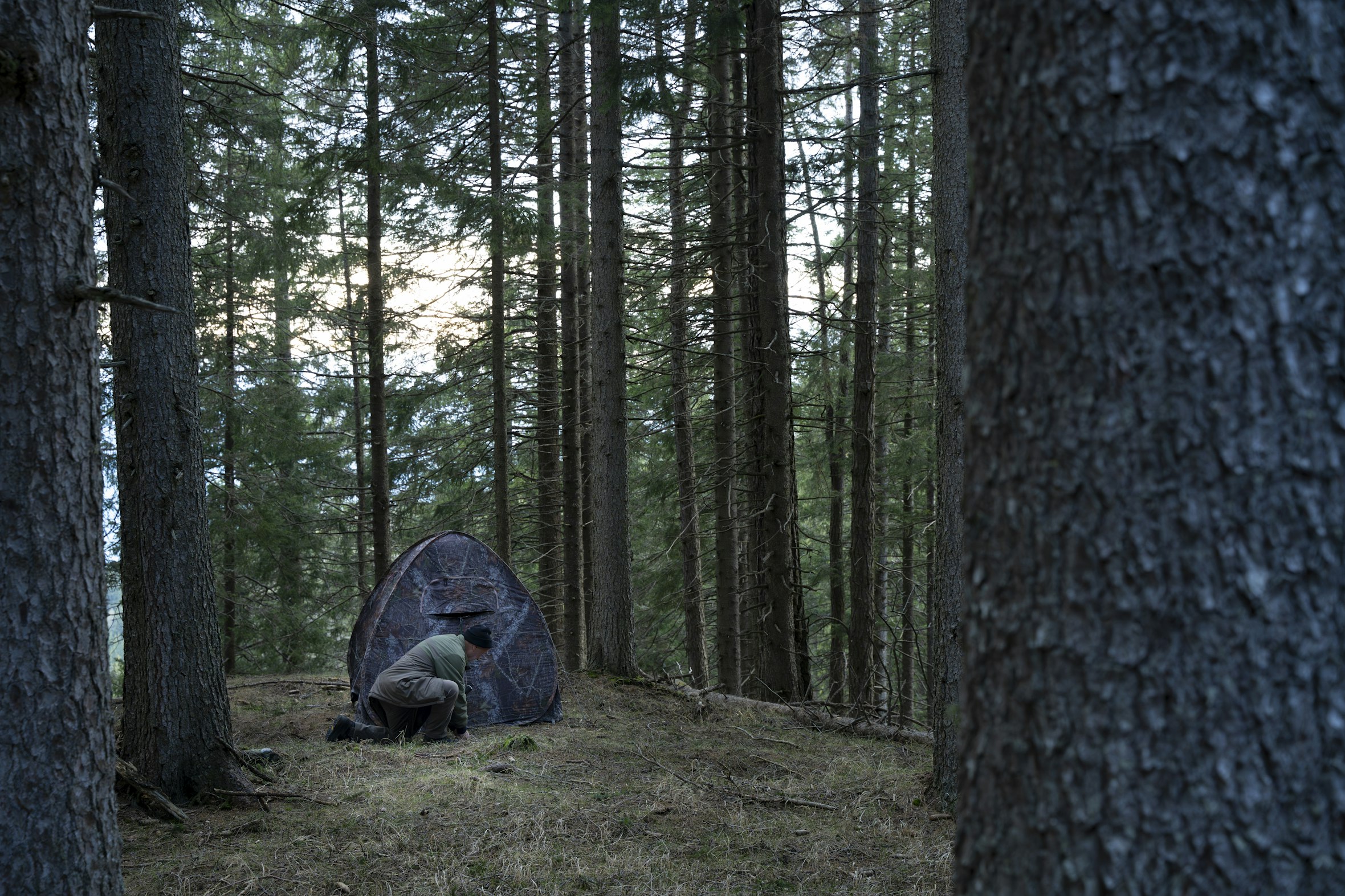
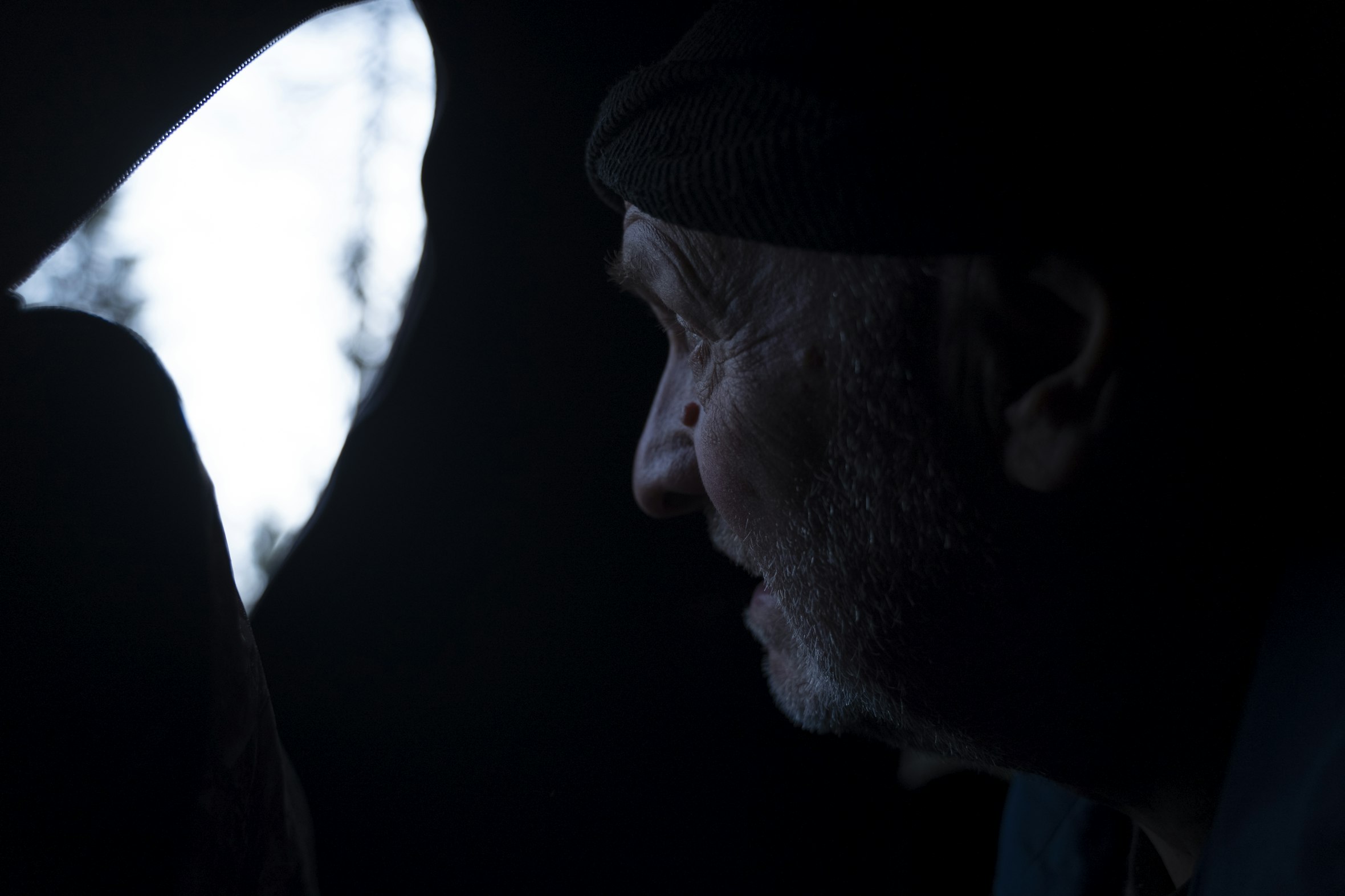
Every year, Walter Eccli spends dozens of hours hidden in a small, camouflaged canvas hut, observing male capercaillies in love. His goal: to monitor their population.
Credit: Eurac Research | Andrea De GiovanniWalking through a subalpine conifer forest in spring, you might hear a curious sequence of popping sounds – like bottles being uncorked one after another. That’s the love song of the capercaillie.
Having arrived in the Alps thousands of years ago during the Ice Age, the species is now in decline due to shrinking habitat, climate change and tourism disturbance. Lack of habitat also means that populations are more conentrated and as a result, more vulnerable to predation, according to Walter. That’s why experts like Walter return to the same sites each year to count individuals and study their behavior, all while staying hidden to avoid interference. The goal: to keep a pulse on the species’ condition.
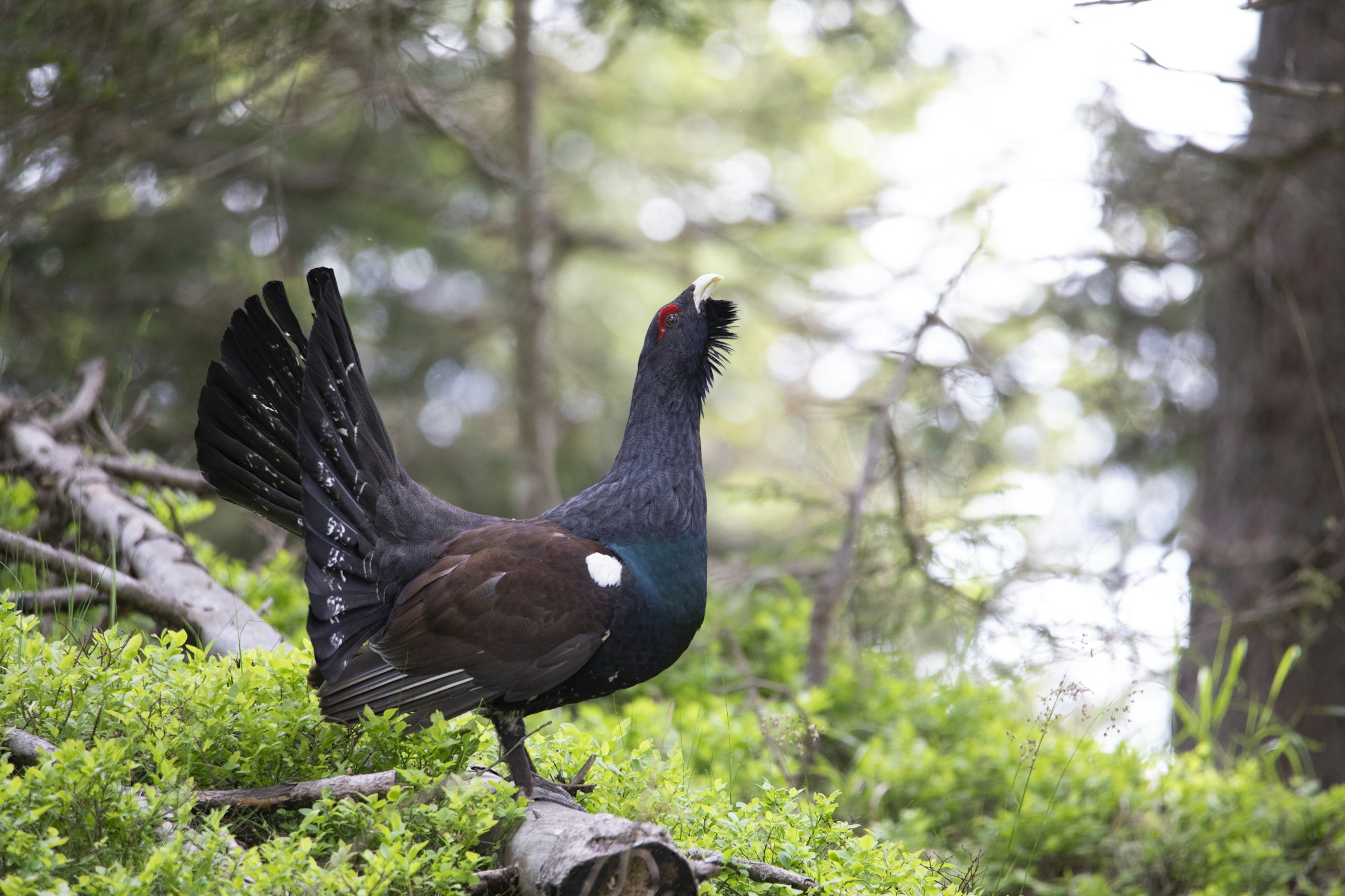
The capercaillie is an umbrella species – protecting it also safeguards many other species that share its habitat.
Credit: Eurac Research | Andrea De GiovanniHowever, the province’s territory is far too large for available personnel to monitor all suitable areas. Forest rangers and game wardens are already busy tracking numerous other, mostly huntable, species. And this is where technology could make a difference.
Last spring, a team of researchers installed nine acoustic recorders across seven monitoring sites in South Tyrol and neighboring Vorarlberg in Austria. These devices recorded forest sounds for weeks throughout the entire mating season. Now, an AI system is analyzing the audio files to detect the species’ calls. “We’re still in the testing phase,” explains Benjamin Kostner, a biologist at the Institute for Regional Development. “But if this method works, it will let us monitor a much larger area than we can today.” One key goal is to place recorders in potentially suitable but poorly studied habitats where the species’ presence is still uncertain.
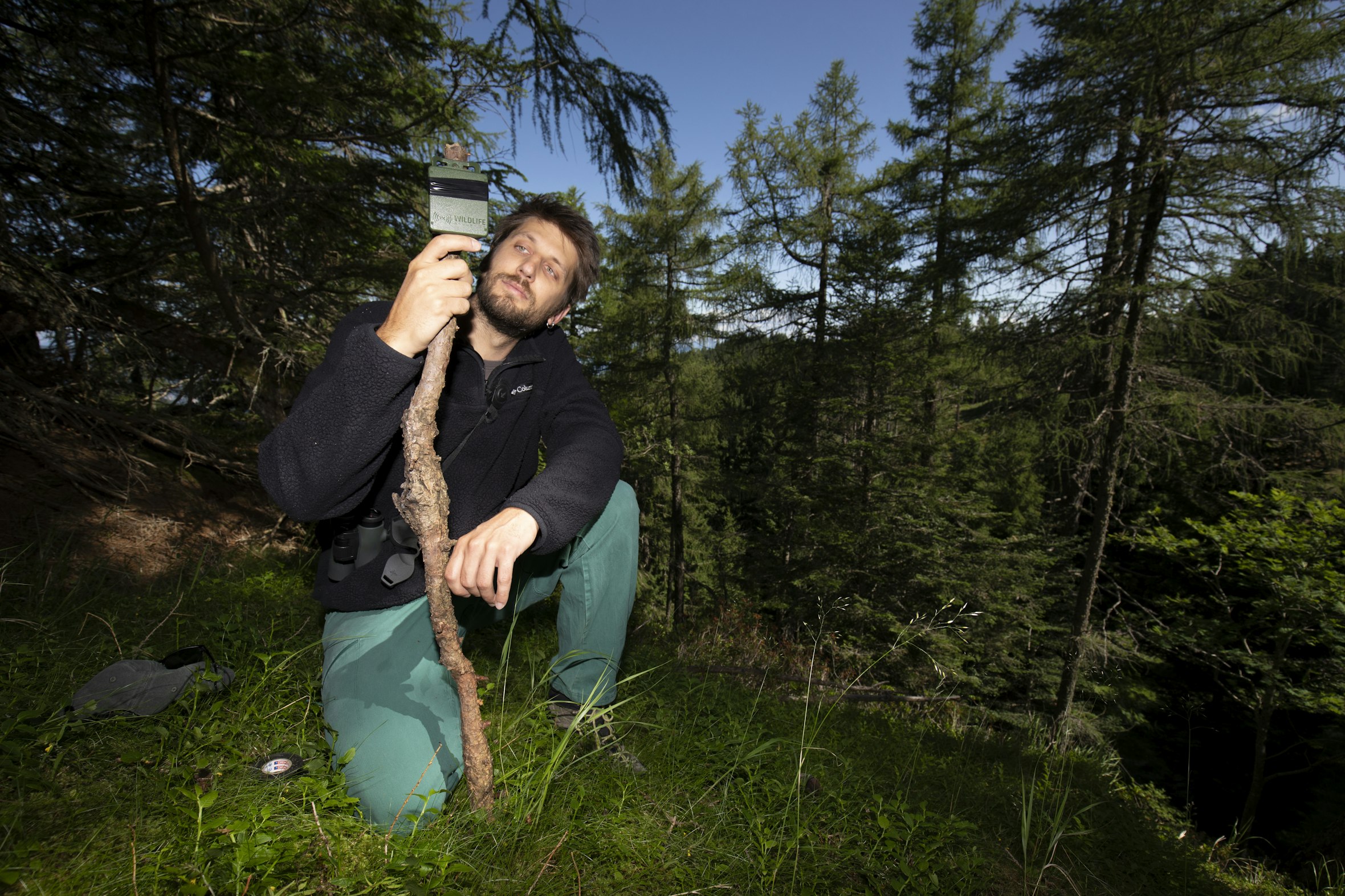
Researchers are testing new methods to monitor the populations of the western capercaillie.
Credit: Eurac Research | Andrea De GiovanniBesides reducing experts’ workload, this approach would make data collection more objective: two recorders placed in the same spot will gather identical data, unaffected by personal bias or experience. Despite these advantages, Benjamin believes the human component remains crucial. “To test the recorders, we needed to install them in areas frequented by capercaillies,” he says. “To find those spots, we relied on the experience of people who have been monitoring these territories for decades.” Walter therefore guided the researchers to traditional display sites – places where, year after year, the males compete for mates. Perhaps not coincidentally, this spring a capercaillie began singing right at the base of one of the recorders. There’s more: “The field data collected by experts like Walter during the last breeding season will be used to validate the recordings,” Benjamin explains. For now, AI’s call identification will still be checked by expert ears – ornithologists must ensure that the system doesn’t “hallucinate” sounds or mistake one species for another.
But what role will experts play once these new methods are proven effective? The answer lies in the project’s purpose itself. “The capercaillie is an umbrella species: by protecting it, we also protect many others sharing its ecosystem,” Benjamin says. “Yet its habitat is under threat from both climate change and economic shifts. Tourism on one hand, and the abandonment of sustainable forestry practices on the other, are negatively affecting its conservation.” Protecting the capercaillie, then, isn’t just about data – it’s also about raising awareness. “We’re already organizing training sessions for groups like forest rangers and landowners, to discuss how to preserve and restore the species’ habitat. On 4 November, we met with environmental educators and hiking guides to talk about human disturbance and forest management,” Benjamin adds. Meanwhile, Walter continues to organize expert meetings, volunteer habitat restoration days, and training for a new generation of species stewards. “Knowing how to use technology will be increasingly important,” Benjamin concludes, “but for a biologist, getting out in the field remains essential. Truly understanding a species means immersing yourself in its environment through all your senses – which, after all, are more powerful than we might think.”
Artificial intelligence doesn’t care about saving the capercaillie – it can only act within the limits of its programming. Experts, on the other hand, have priorities, take initiative, and make creative choices. They decide which questions AI should even try to answer. People like Walter and Benjamin not only know the land but also understand the needs and interests of those who live there. In this sense, AI will always remain what it is: a tool. Vision, purpose, and care for the future will always rest in human hands.






 My cookie preferences