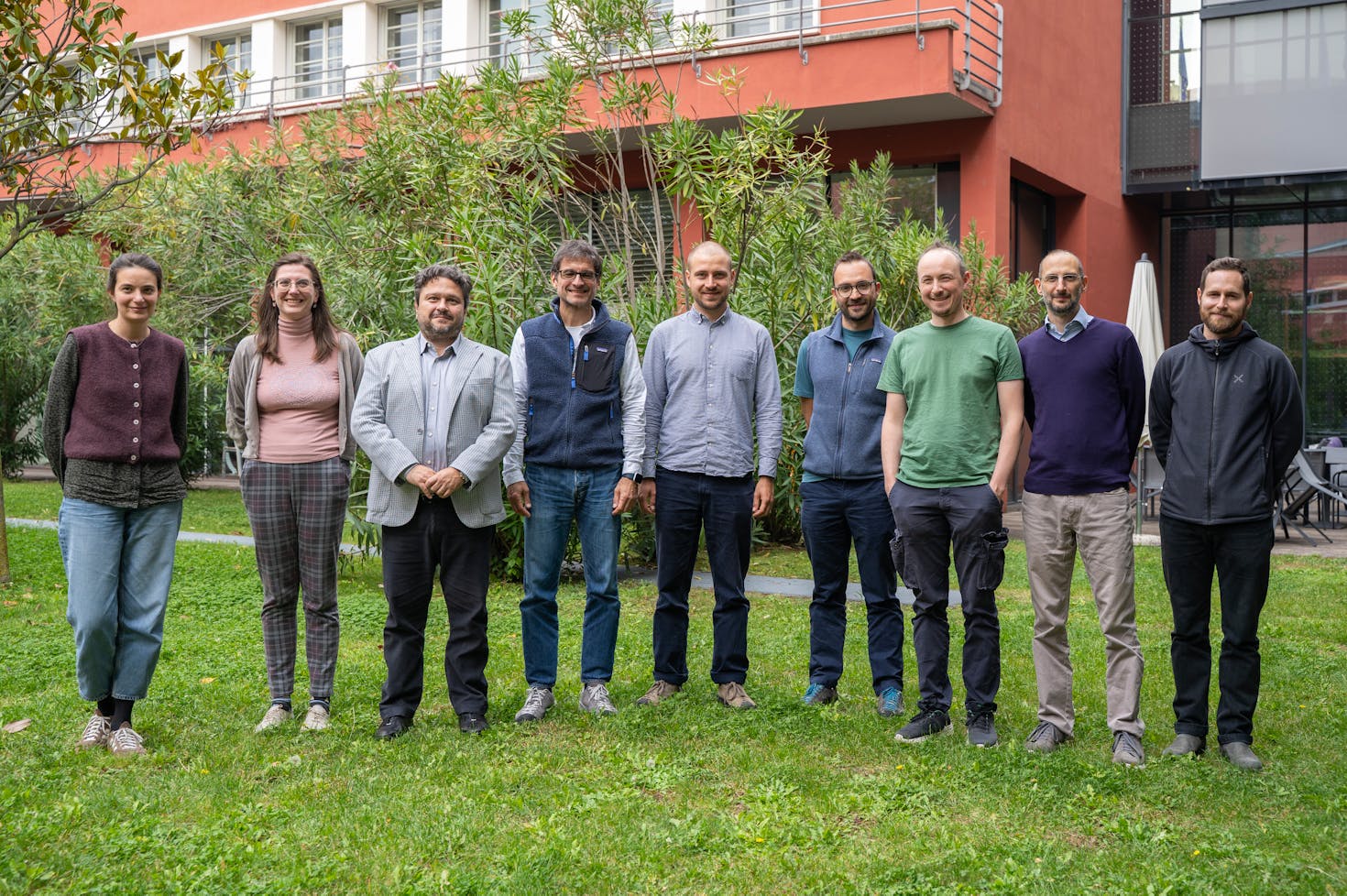
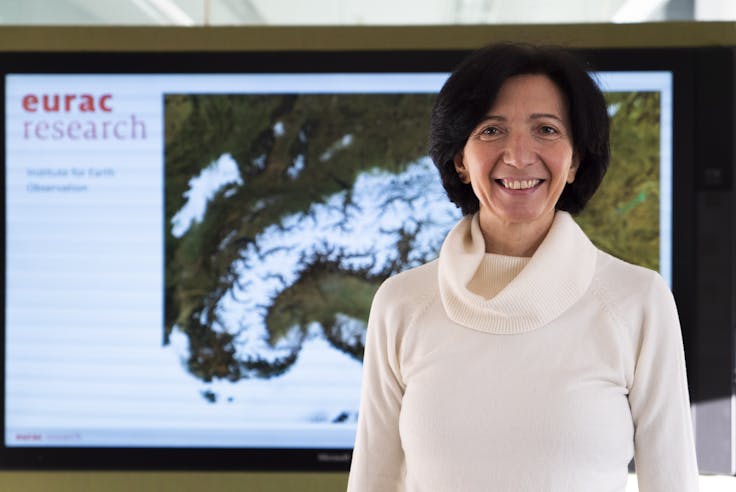
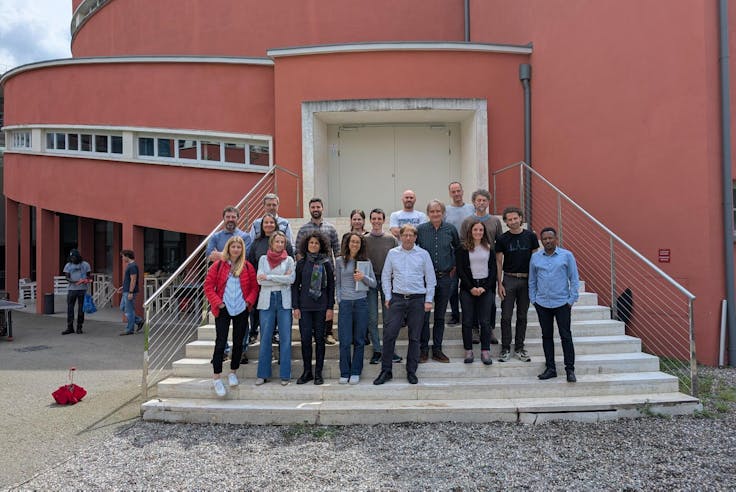
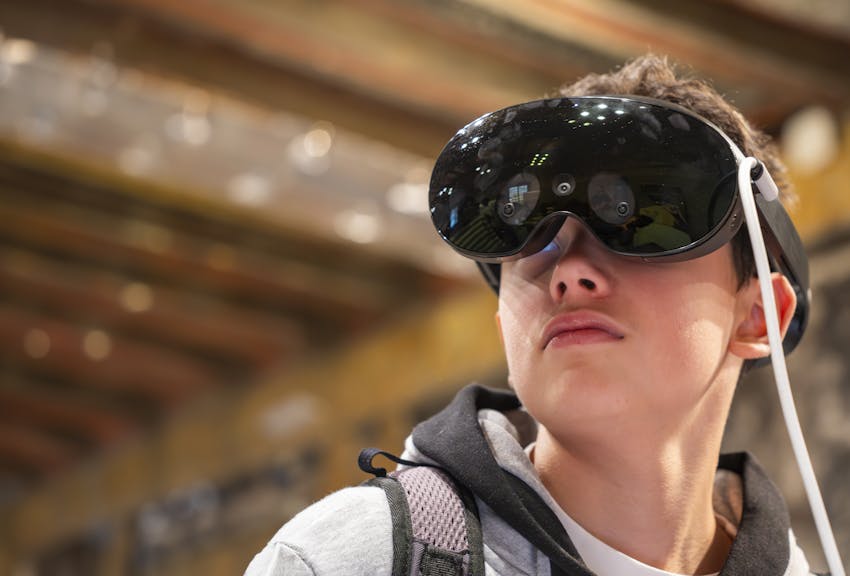
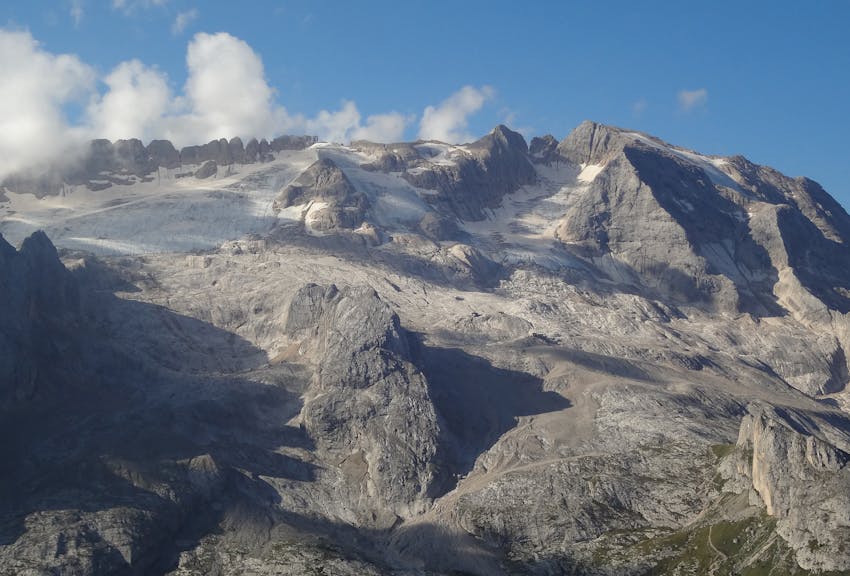
In recent decades, the vulnerability of mountainous regions to extreme events has become evident, due to the impacts of phenomena like glacier melt, storms, and droughts, whose frequency and intensity have risen. At the Institute for Earth Observation, we monitor the environmental dynamics of the Earth’s surface in the mountains aiming to understand changes, investigate their causes, and support the involved communities.
Institute for Earth Observation
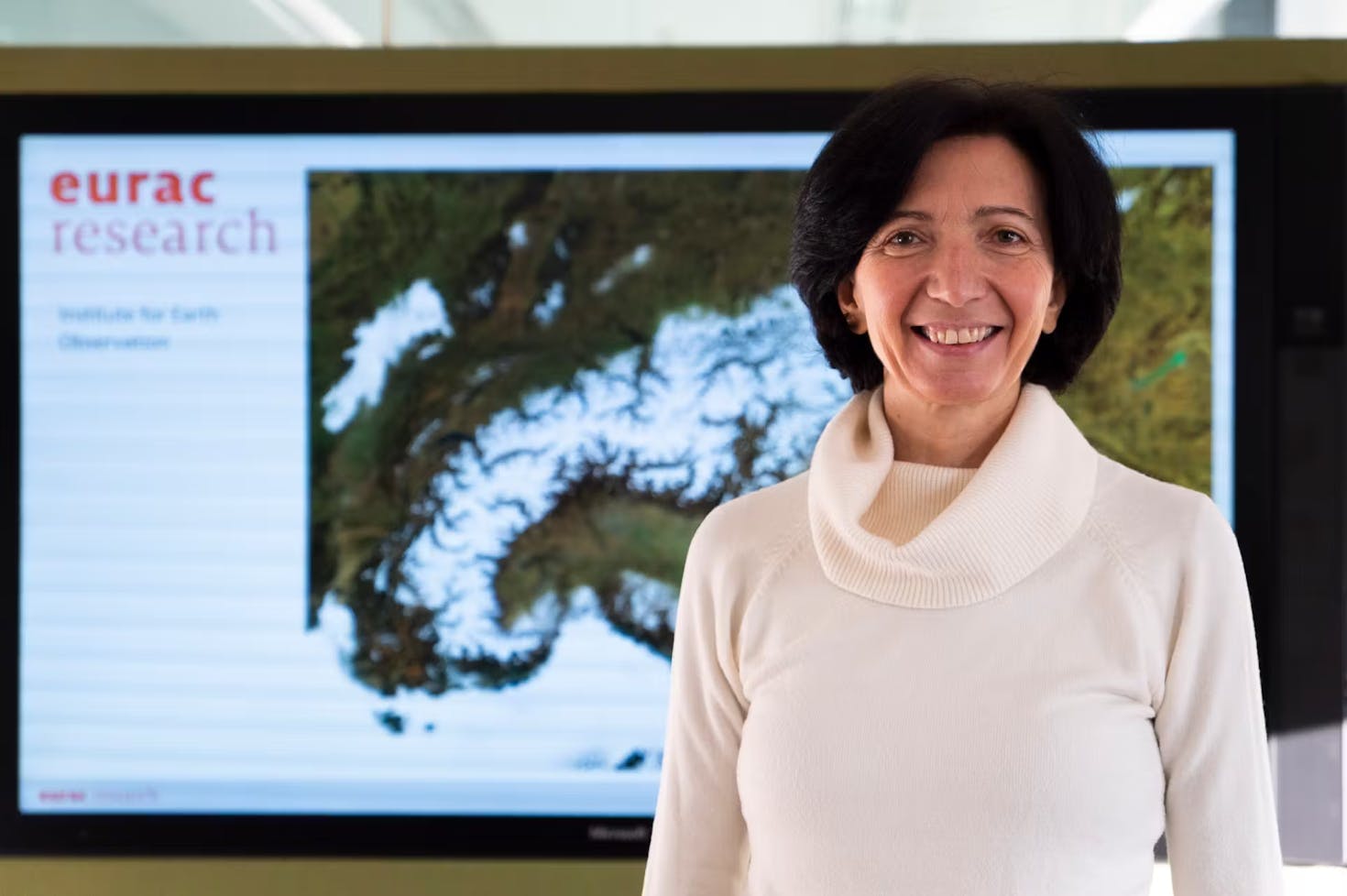
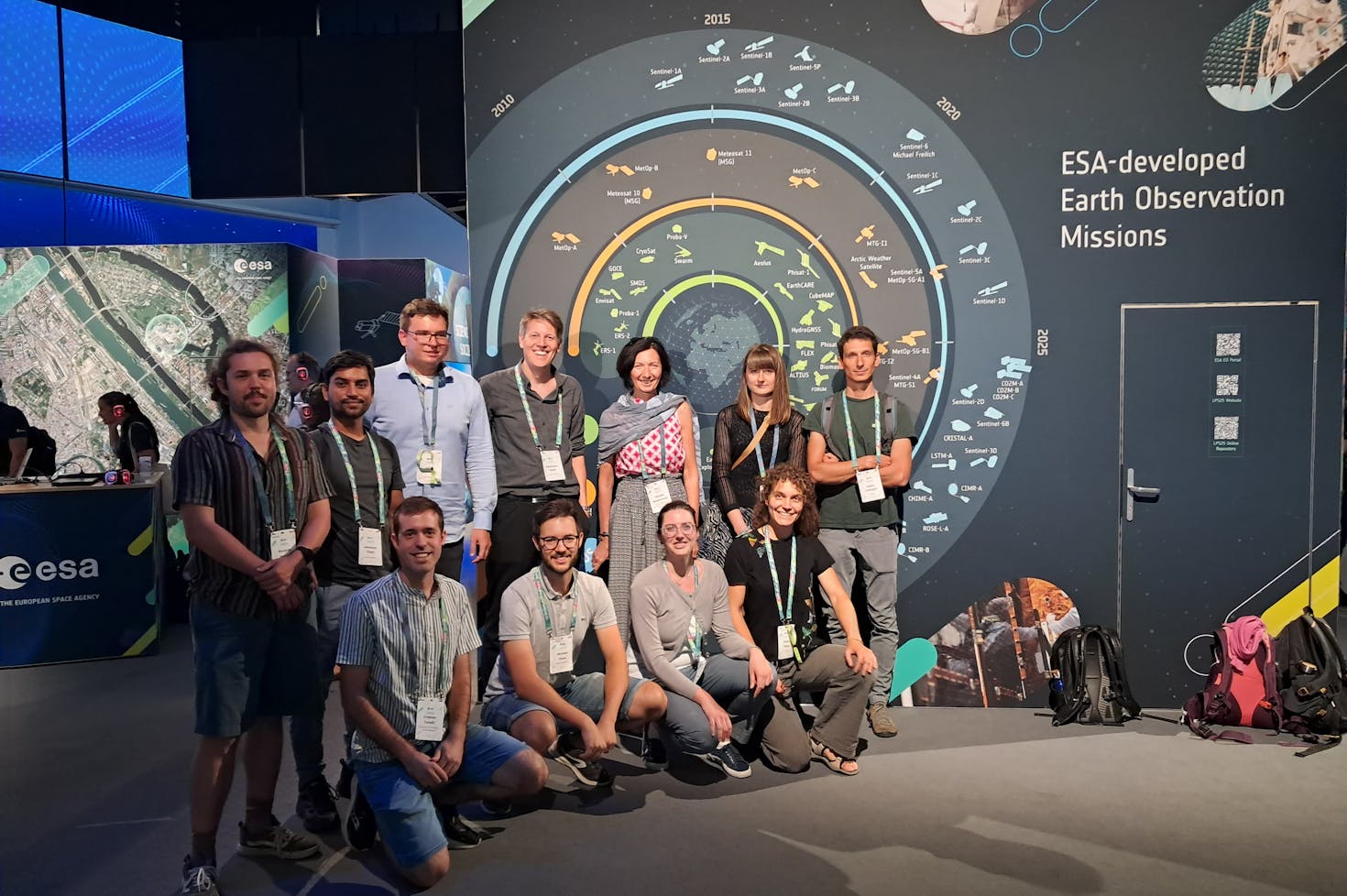
To reach this goal we combine satellite and ground observations together with physical based and data driven models, allowing us to develop new approaches to monitor and analyse the dynamics of processes in our environment with a strong focus on mountainous areas.
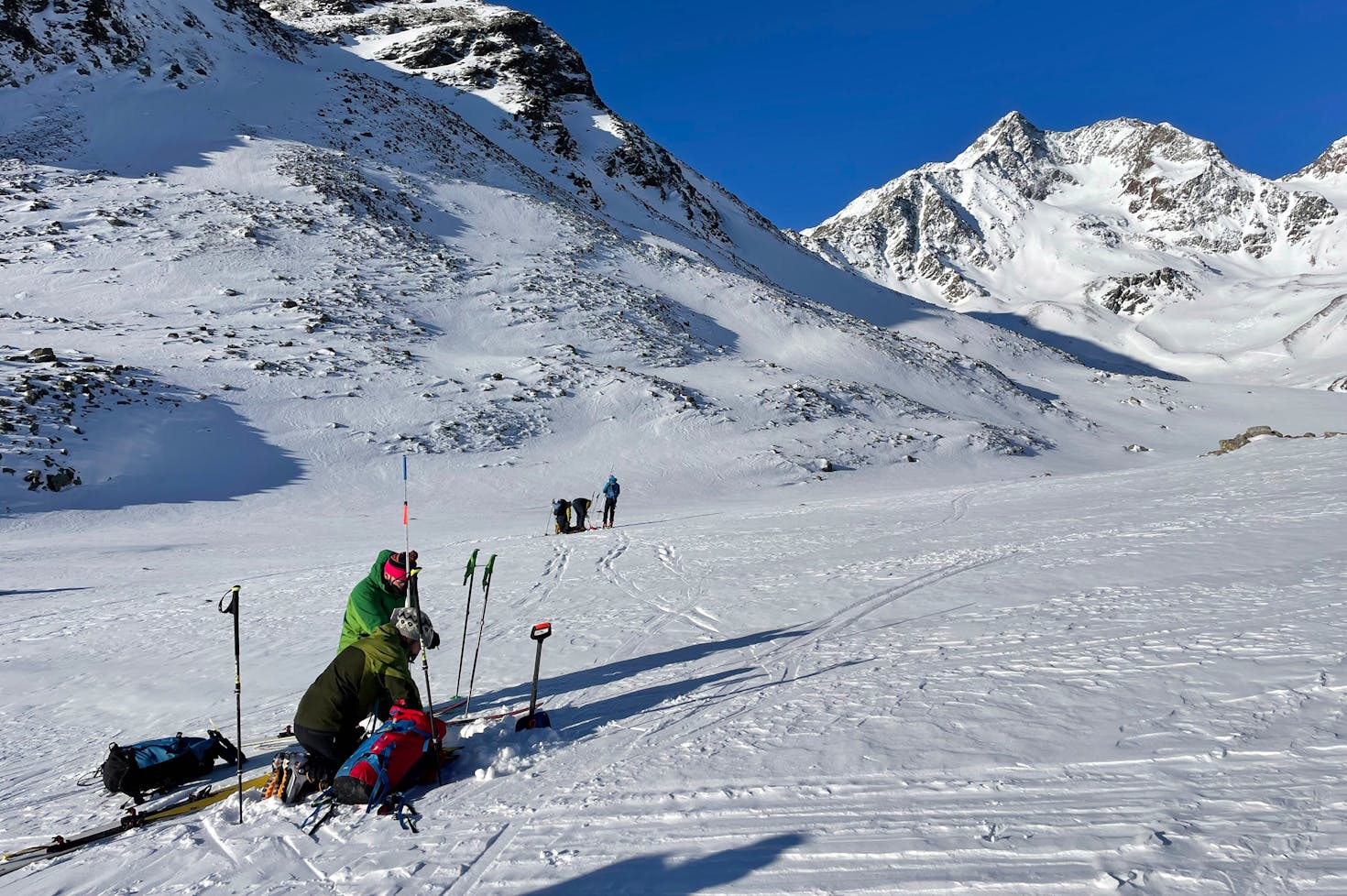
The implementation of these new methods enhances our comprehension of cryosphere dynamics and facilitates the management of water resources, including accurate estimation of snow water equivalent and addressing associated risks such as permafrost deformation (Mountain Cryosphere group).
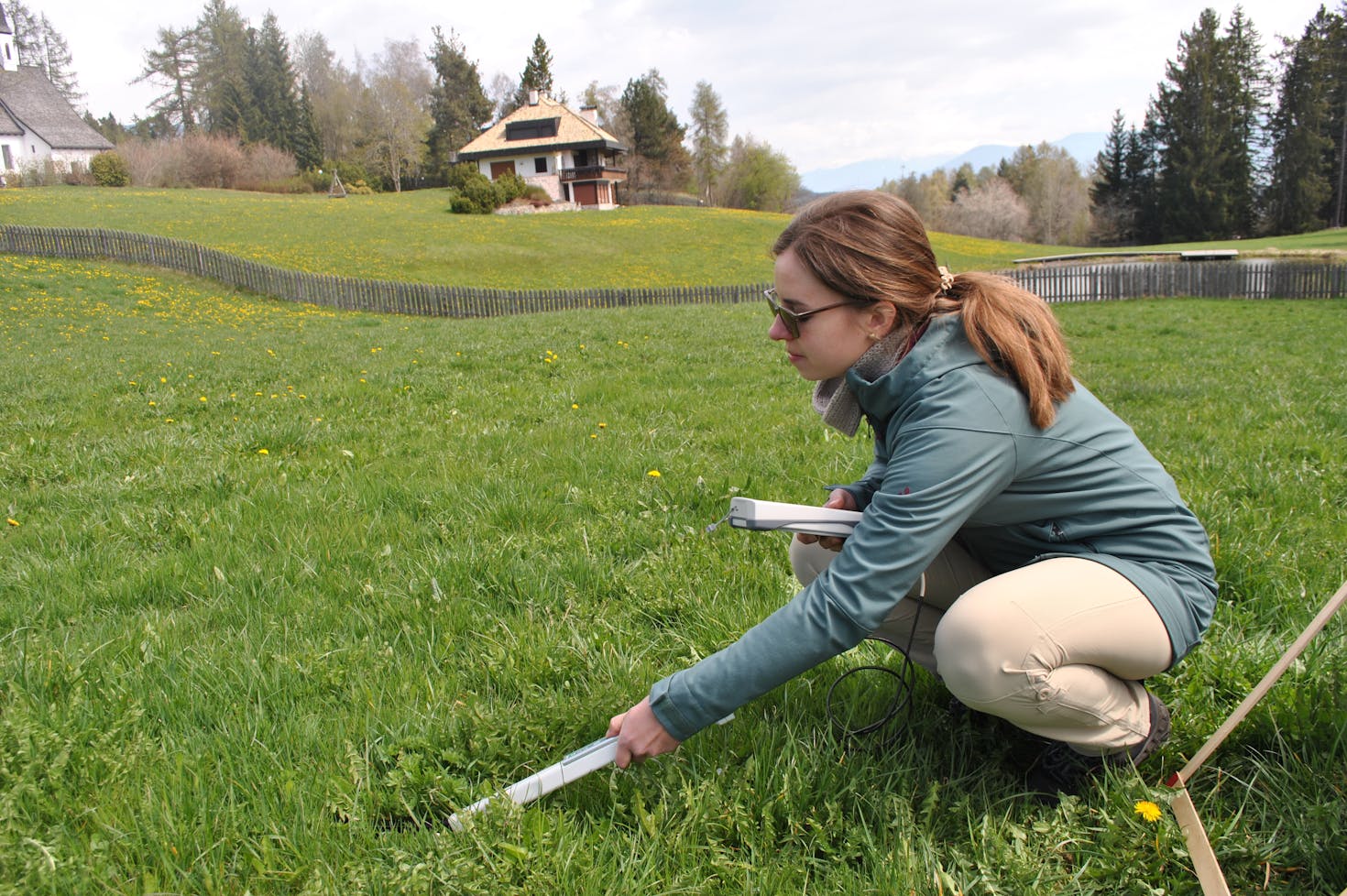
In parallel, we monitor the spatio-temporal dynamics of mountain vegetation, mainly focusing on forests and grasslands, to understand its response to biotic and abiotic factors, and to develop solutions in collaboration with stakeholders from the agriculture and water management sectors (Biosphere and Hydrosphere group).
Our work is based on state-of-the-art data science and infrastructure and our Advanced Computing group is currently developing new methods for scalable data processing, interoperability, and data-driven analysis to make the best use of new and historical observations.
Our interdisciplinary team collaborates with scientific partners around the world as well as with the main space agencies and decision makers at all levels - from local authorities to international institutions such as European Environment Agency (EEA) as well as other UN agencies. Together, we provide scientific knowledge in managing global changes and the associated risks to support informed policy decisions. With our work, we aim at becoming a scientific reference supporting mountain communities with impactful insights.
The Institute continues to innovate and was the starting point of new programs and initiatives:
-
In 2018, the GLOMOS program was founded by Eurac Research and the United Nations University with the objective of supporting sustainable development in global mountain regions and in 2019.
-
the Center for Sensing Solutions (CSS) was initiated to develop tailor-made solutions for research and industry based on new sensor technologies and web applications.
-
More recently in 2022, the Centre for Climate Change and Transformation was founded to provide knowledge and solutions to foster climate neutrality, climate resilience and socio-ecological transformation .


Facts & Figures
14 with a PhD degree
21 with international partners
Data refers to the previous calendar year. See all Facts & Figures.
Research Groups

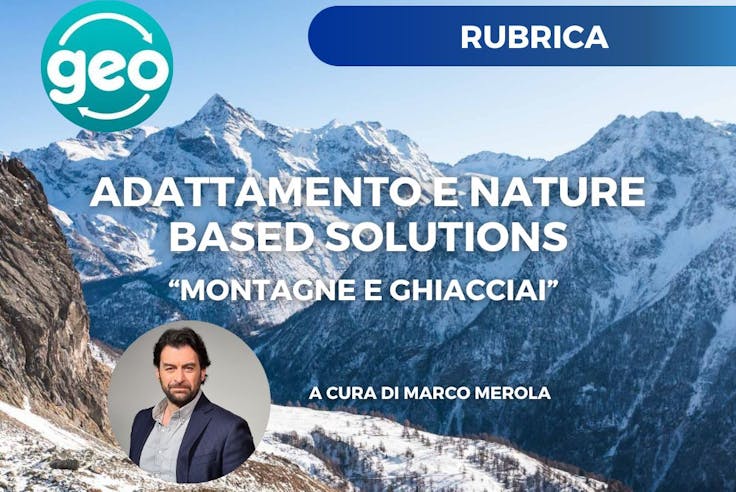
TV interview - Mountain and Glaciers


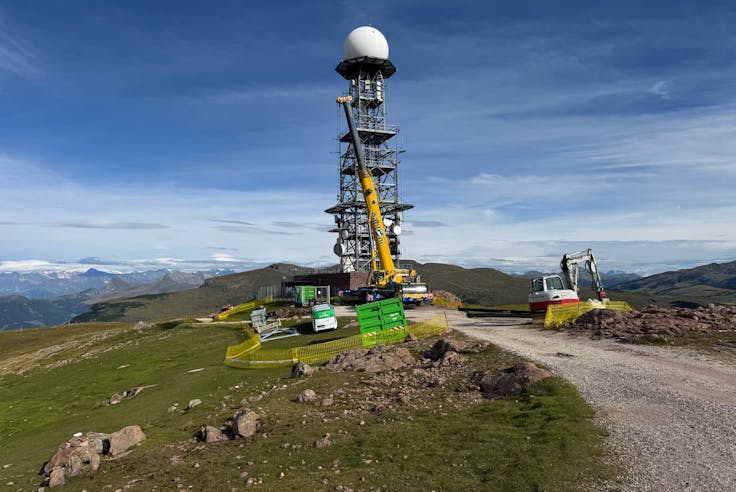
Bye bye Antenne
Auf dem Rittner Horn wird in diesen Wochen die Antenne für den Empfang von Satellitendaten abgebaut – sie war seit 2009 in Betrieb.

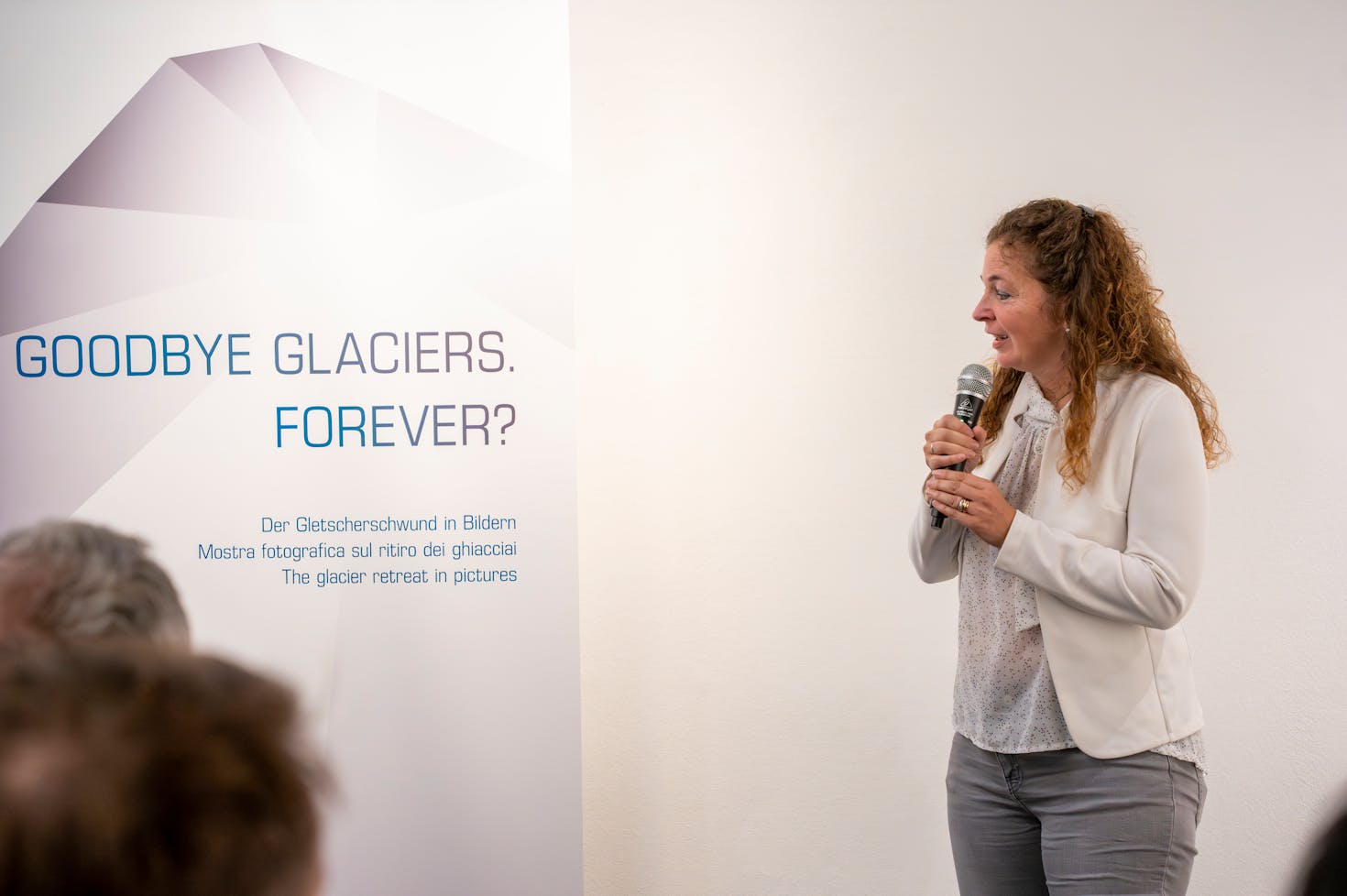
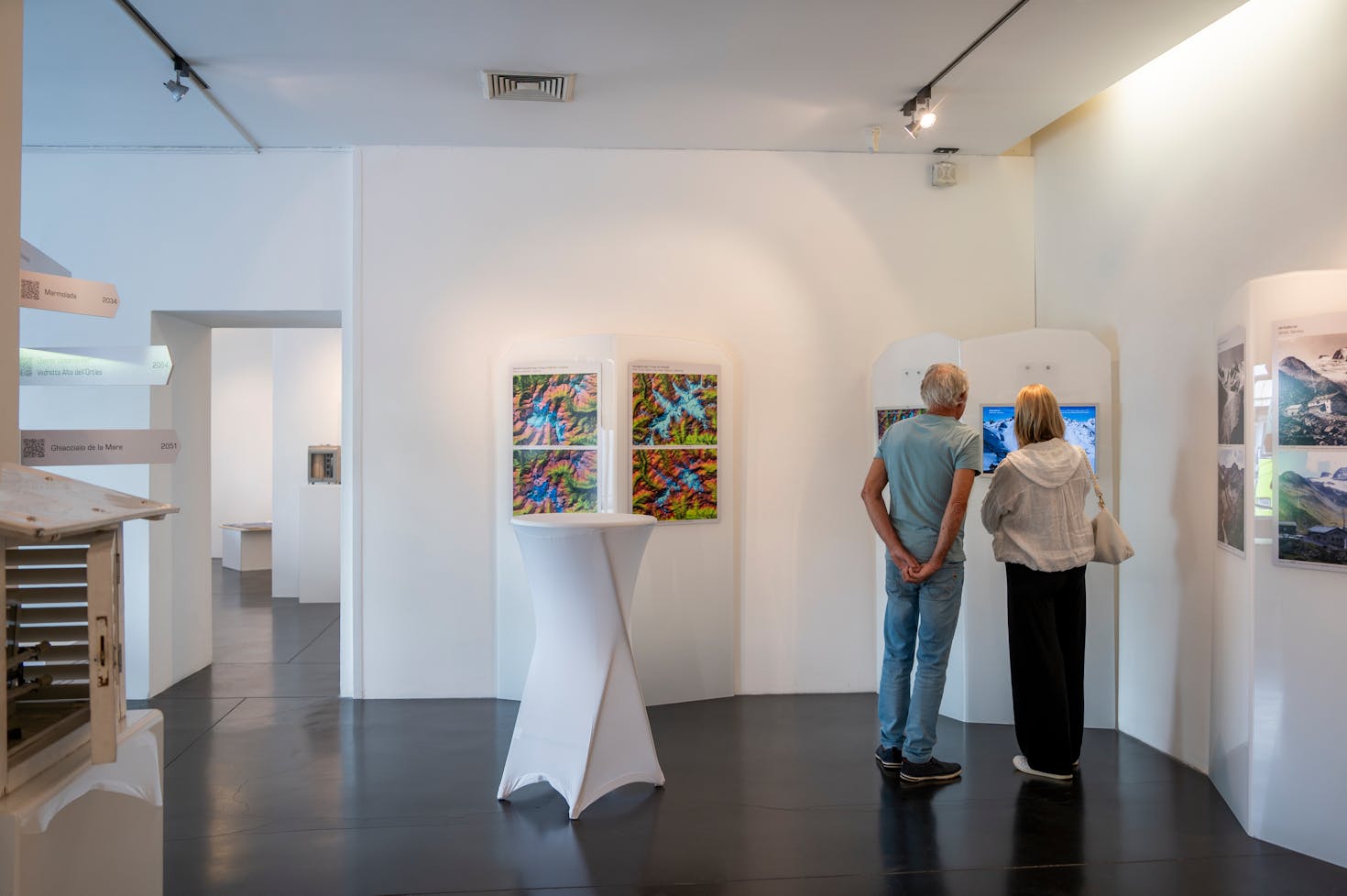
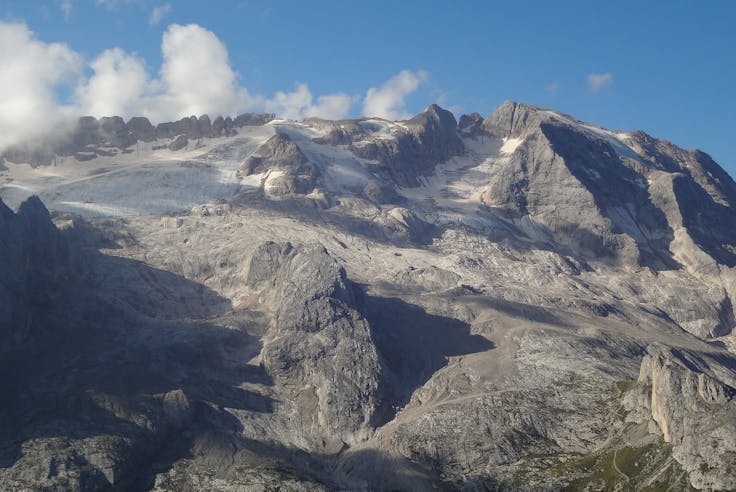
“Goodbye Glaciers. Forever?”

NextWater_ST Officially Kicks Off: Shaping the Future of Water Management in South Tyrol
On May 5th, 2025, the Klimaplan2040-funded project NextWater_ST – A Nexus perspective for adapting water management in South Tyrol to future changes officially started.

Eurac Research data take off across Europe!
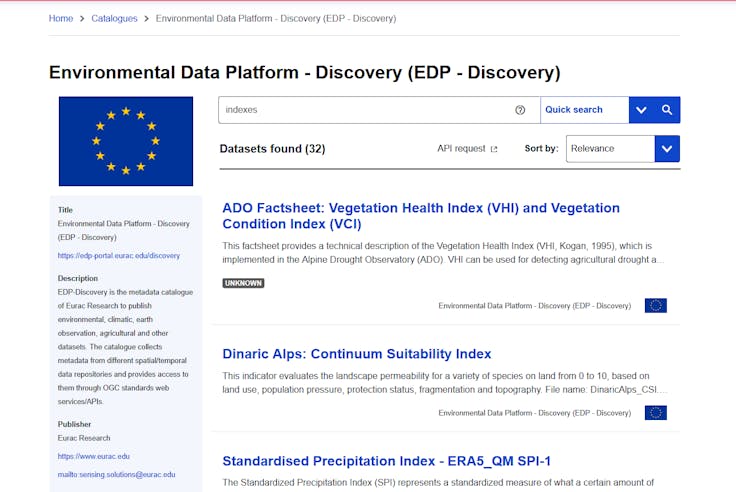
The data collected in the EDP catalog are now accessible on the official European data portal, DATA.EUROPA.EU.
SCIA project successfully concluded
Hyperecos project successfully concluded

Festival Mille e una scienza


AlpSnow project successfully concluded
Kick off meeting: project EOPF
Institute for Earth Observation
Viale Druso 1 39100 Bolzano Italy