
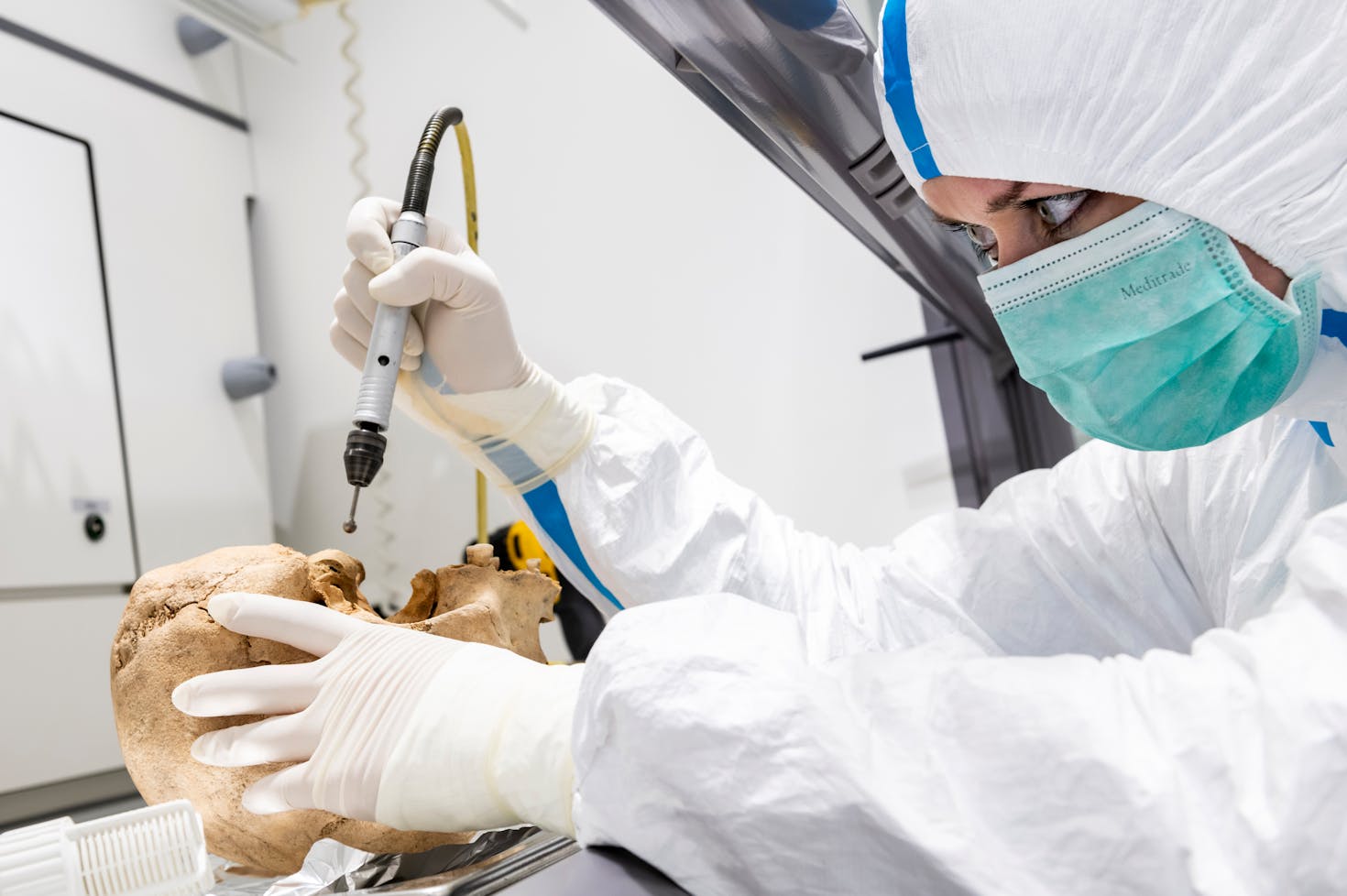
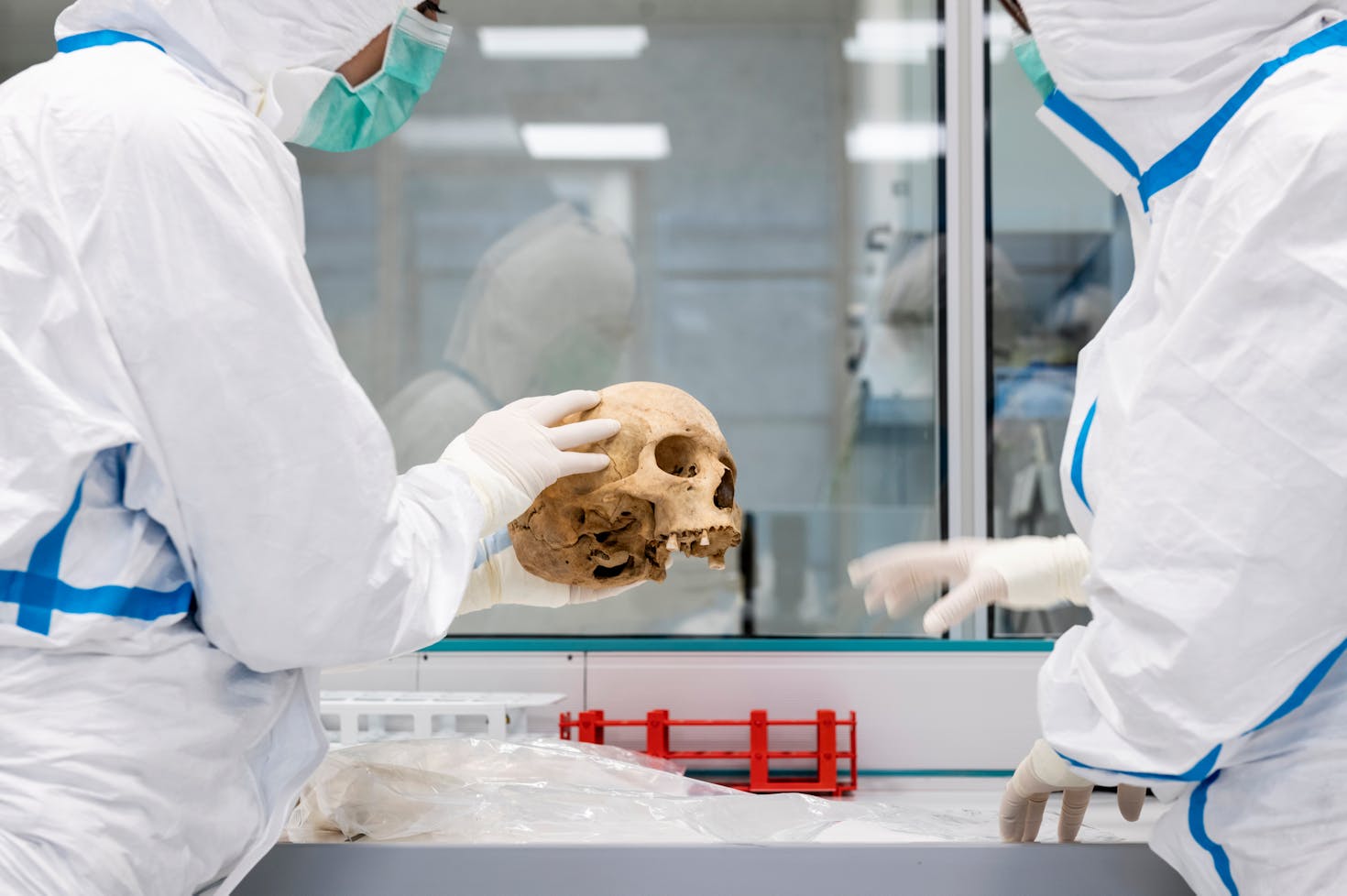
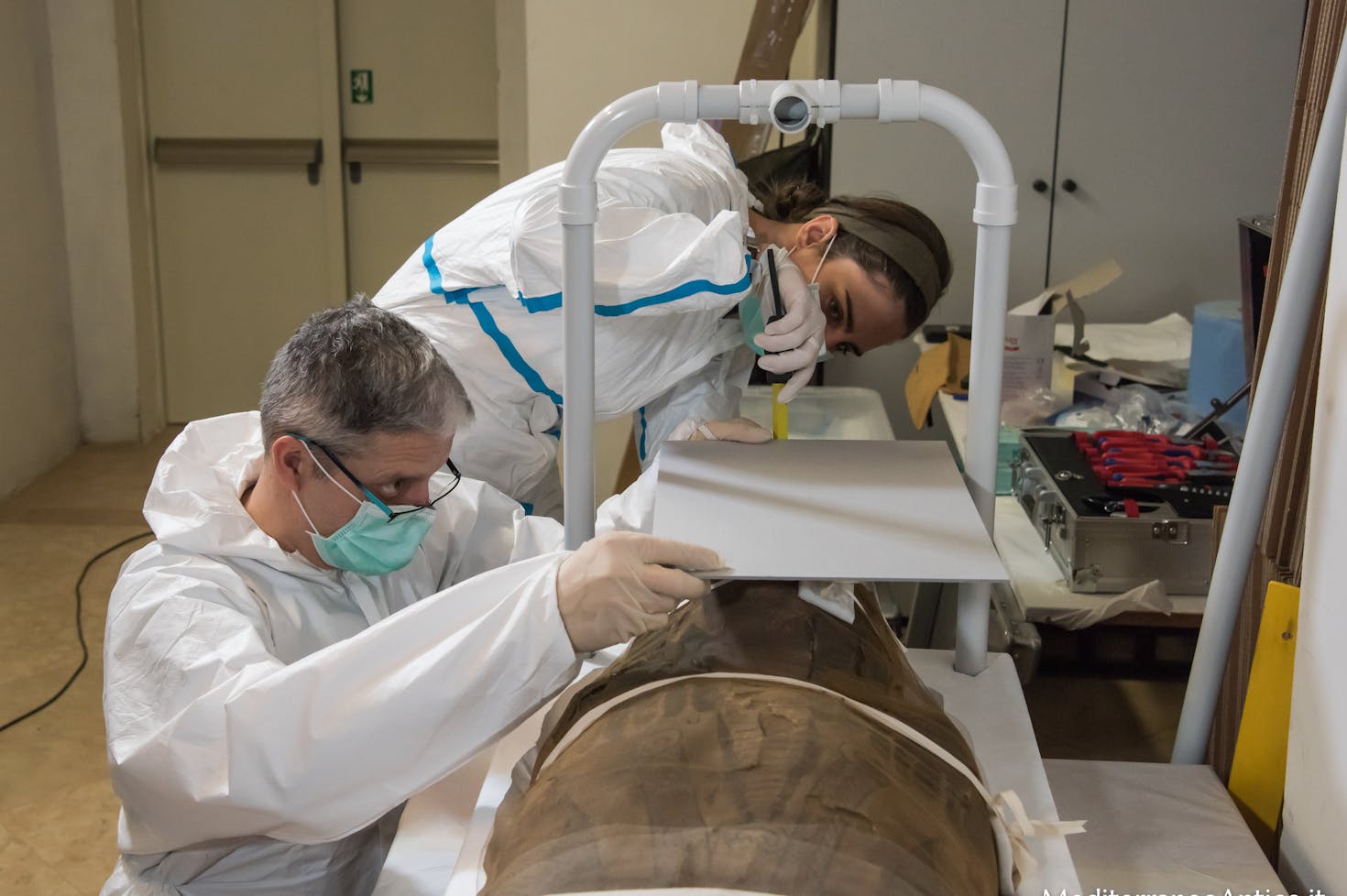
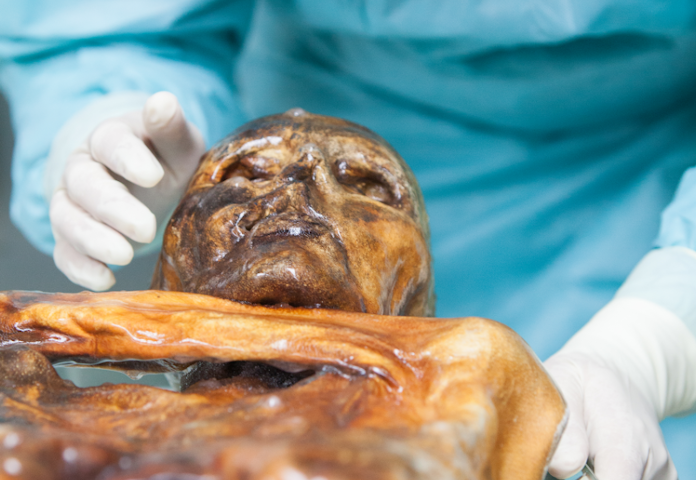
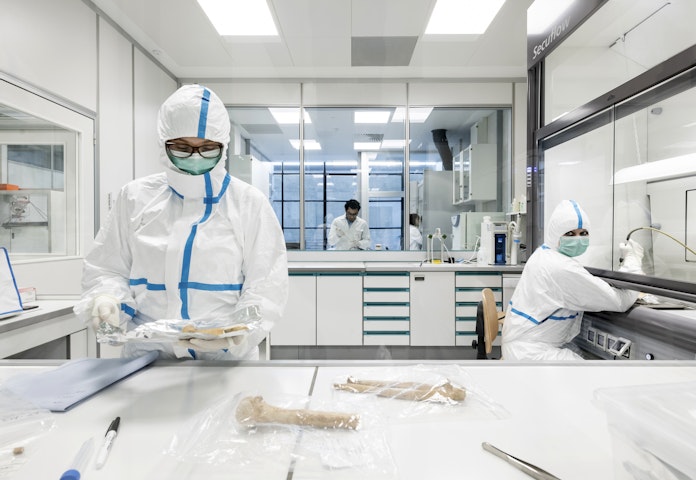
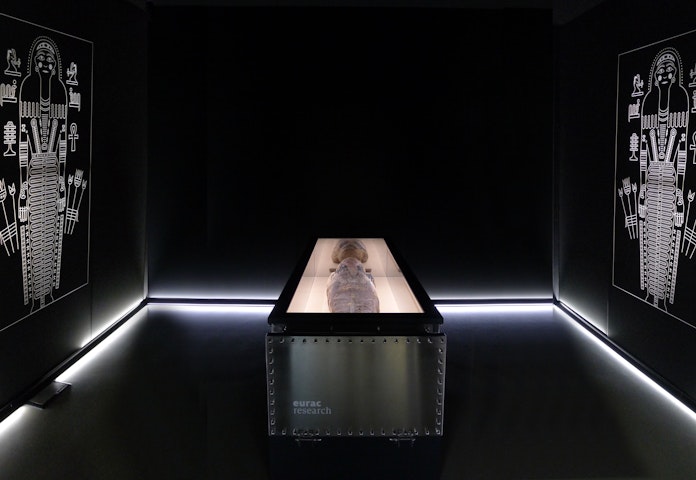
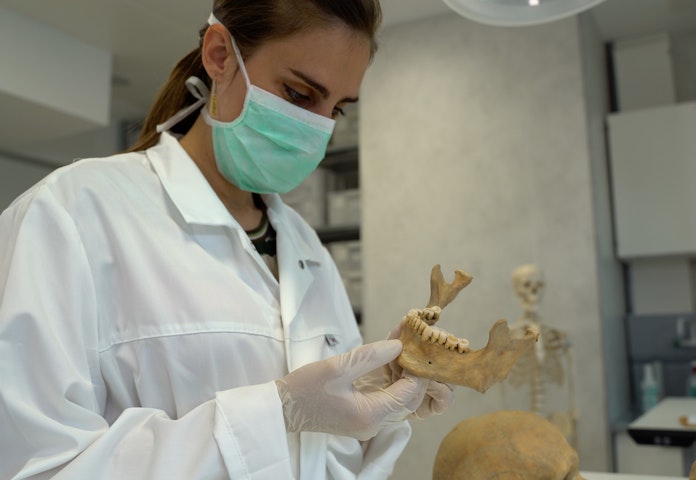
Snapshots of the past times that help us to gain unique insights into our present. By studying skeletons and mummies from all over the world and from different historical periods, we gain knowledge on population history, the development of pathogens and the preservation of archaeological finds.
Institute for Mummy Studies



Facts & Figures

13
Staff members
7 with a PhD degree
7 with a PhD degree

8
Ongoing projects
7 of them with international partners
7 of them with international partners

9
Assignments (services and consultancies)
7 of them with international agencies
7 of them with international agencies

27
Scientific publications
annual Journal publications
annual Journal publications

4
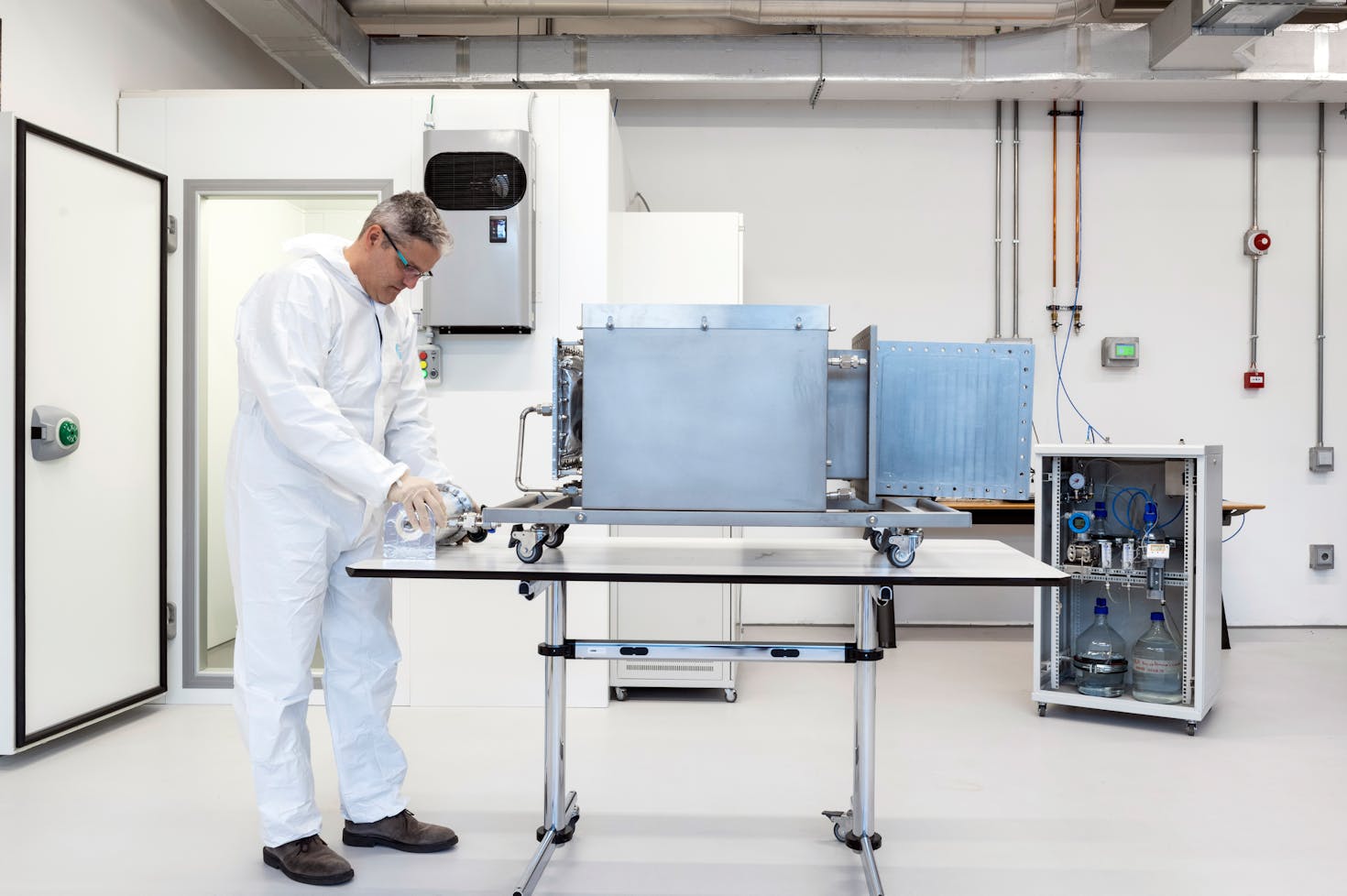
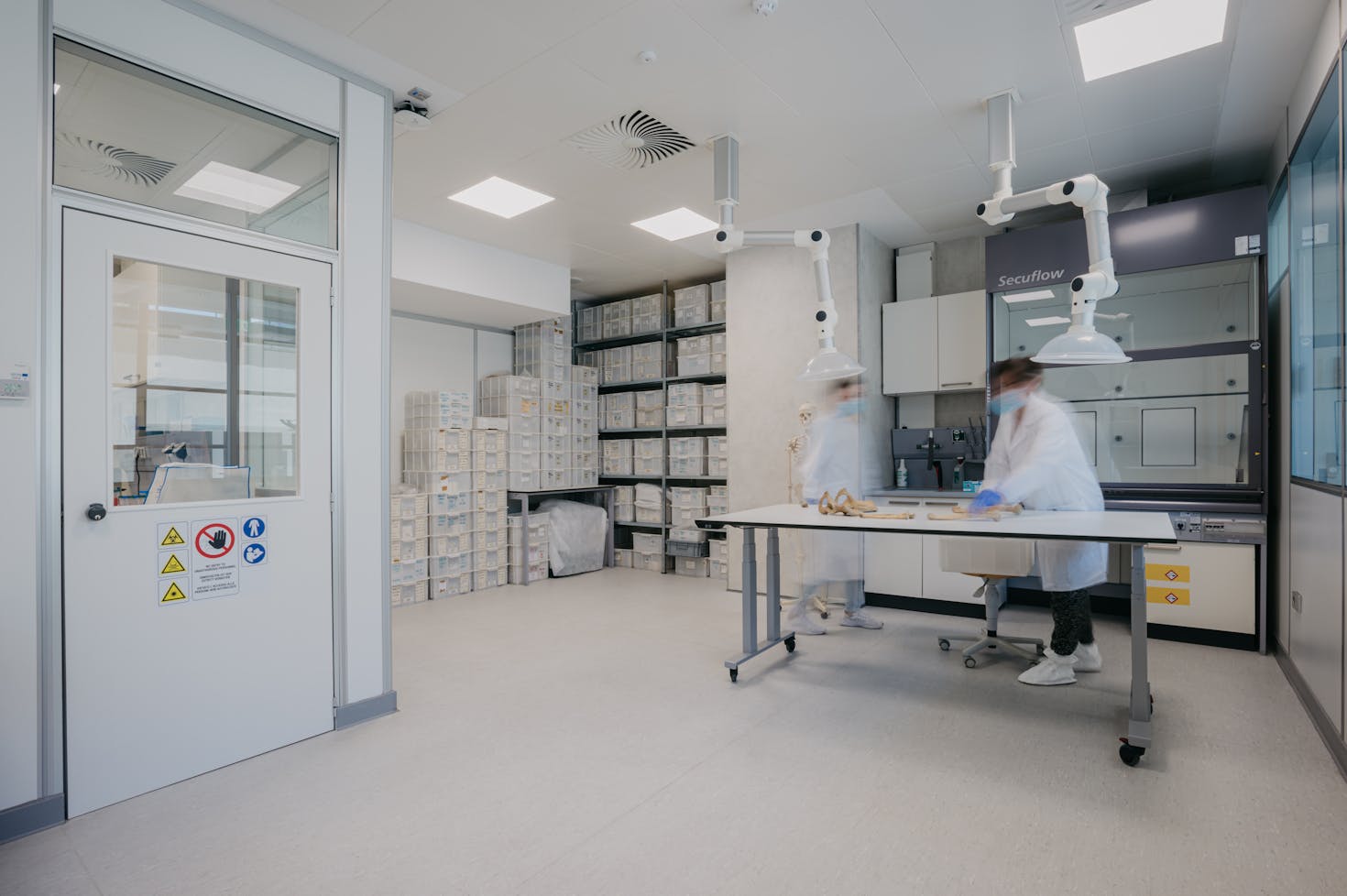
Laboratories and facilities
Data refers to the previous calendar year. See all Facts & Figures.
Research Fields
News
News
24.10.2025
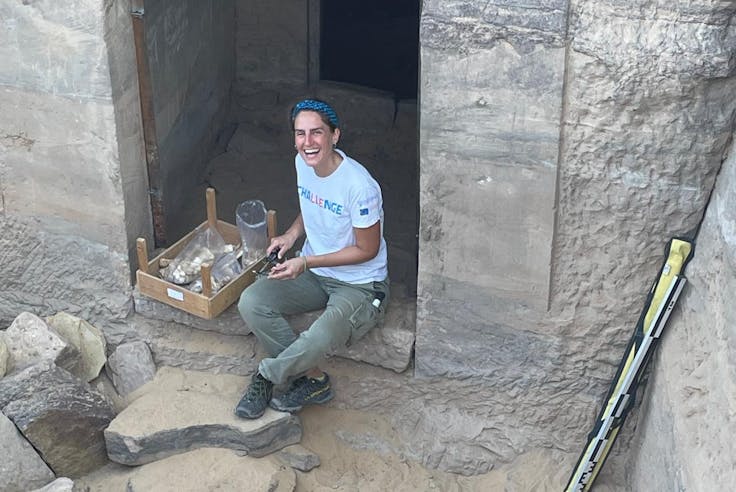
News from Qubbet el-Hawa North, Aswan, Egypt
Our bioarchaeologist Alice Paladin is back in Aswan, Egypt. She is participating in the Egyptian (Aswan Inspectorat )-German (Ägyptisches Museum und Papyrussammlung, Neues ...
News
26.09.2025
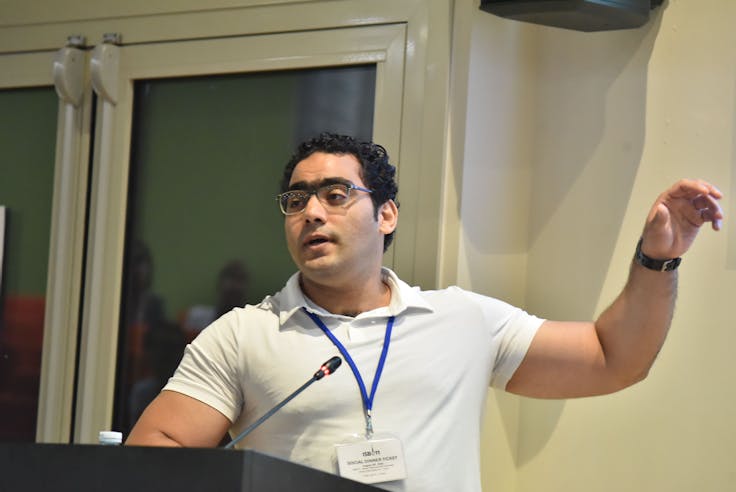
Mohamed Sarhan wins ISBA11 Future Fellows Prize for Best Talk
Mohamed Sabry Sarhan, Senior Researcher at the Institute for Mummy Studies, won the Future Fellows Prize for the best talk at ISBA11 in Torino.
News
19.09.2025
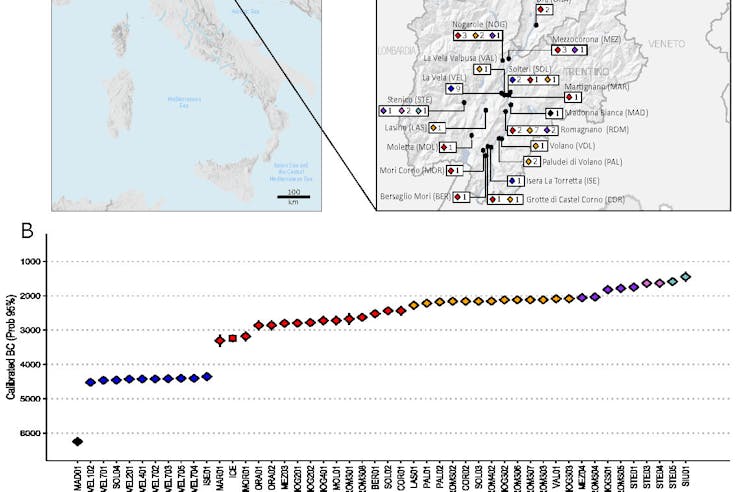
Genomic diversity and structure of prehistoric alpine individuals
Our researchers have published a new paper in the journal Nature Communications to investigate how the genomic structure of alpine groups varied over time and to contextualize ...

News
26.11.2024
Albert Zink awarded Honorary Doctorate by the University of Szeged
Albert Zink, Head of the Institute for Mummy Studies, was awarded the Honorary Doctorate by the University of Szeged. The award recognizes his long-standing collaboration with ...
News
03.07.2024
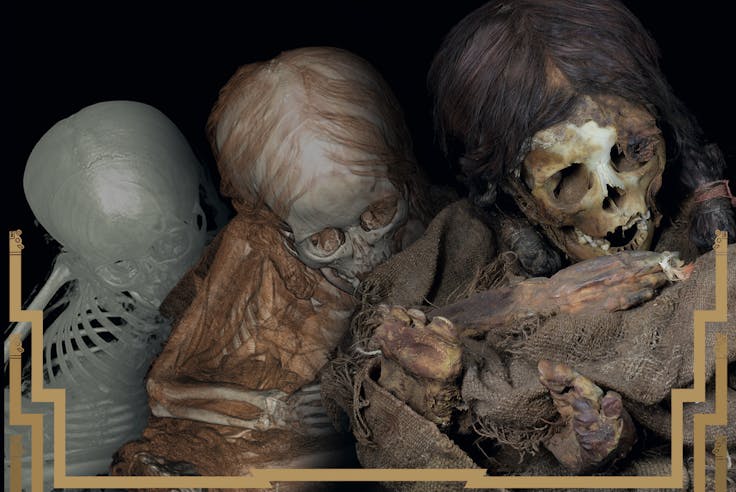
Nuestros Ancestros
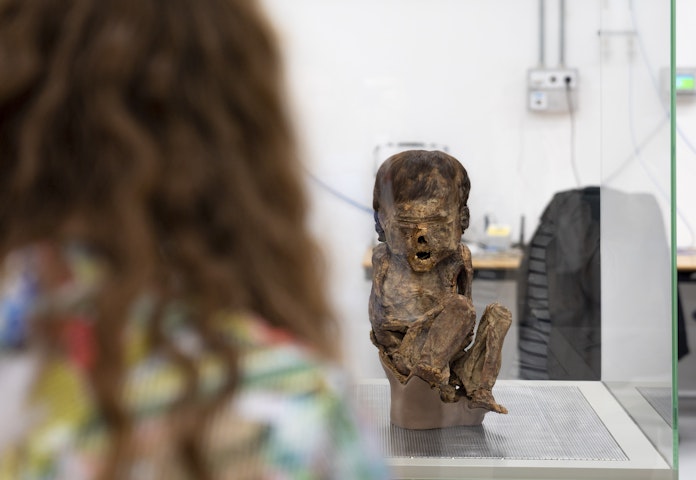
A visually interactive catalog containing a selection of the mummified remains and skulls of pre-Columbian individuals from the MUNARQ – The National Museum of Archaeology in ...
News
27.06.2024
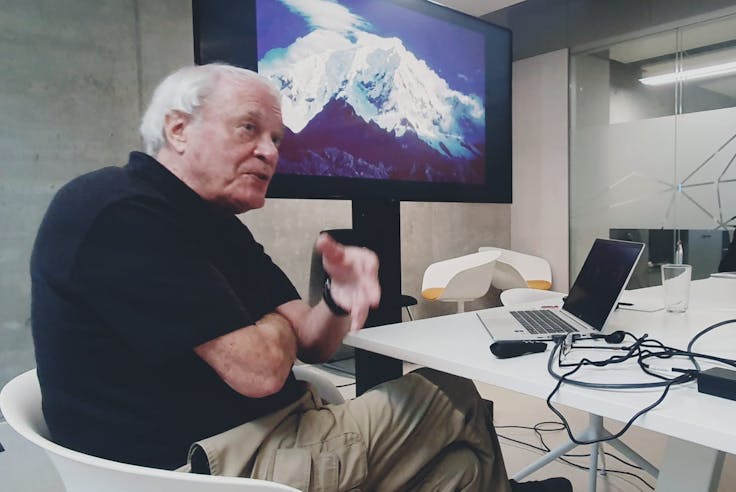
Johan Reinhard visited the Institute for Mummy Studies
On Monday, 17th June 2024 the American anthropologist and archaeologist Johan Reinhard held a lecture at the Institute for Mummy Studies.
News
14.06.2024
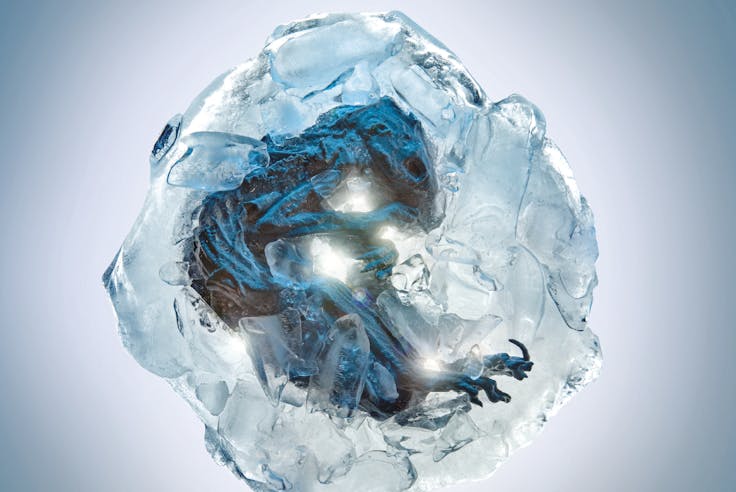
Finalmente visitabile la Marmotta del Lyskamm dal 14 giugno al Castello di Saint-Pierre
La mummia di marmotta del ghiacciaio del Lyskamm, la più antica mummia animale mai rinvenuta in Italia, dal 14 giugno ha una casa all’interno del Museo regionale di Scienze ...
News
31.05.2024
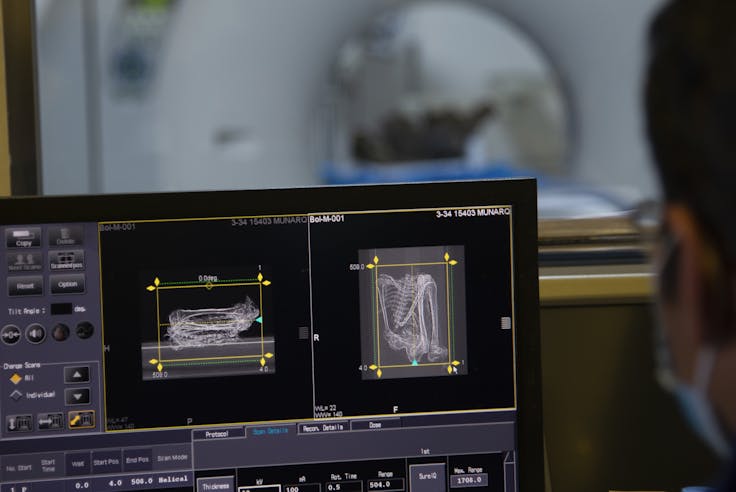
Two studies show atherosclerosis has been with humans for much longer than assumed
CT scans and genetic analyses of ancient human remains indicate that atherosclerosis has been present in humans for thousands of years.
News
02.02.2024
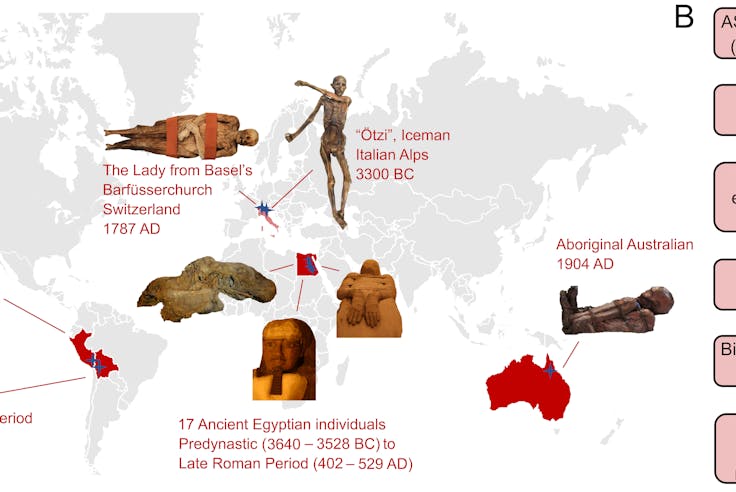
Genetic Predisposition of Atherosclerotic Cardiovascular Disease in Ancient Human Remains
Our researchers have published a new paper in the journal Annals of Global Health to enlighten the genetic burden of our ancestors for the not just modern disease ...

News
News
04.12.2023
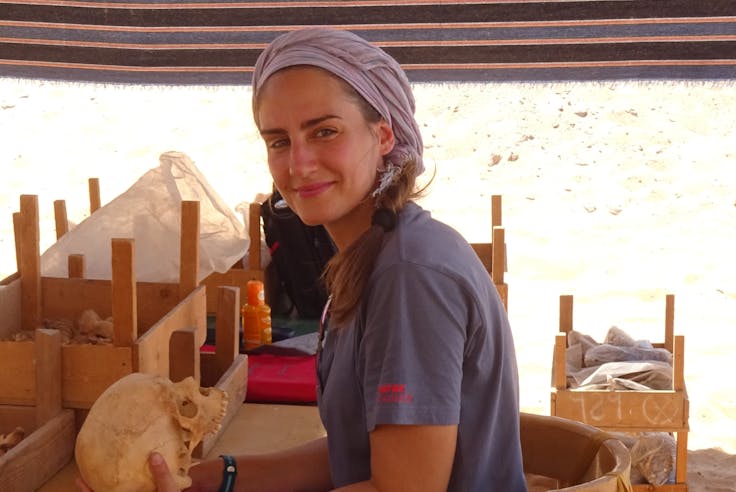
The Institute for Mummy Studies in Egypt for anthropological examinations
Our Bioarcheologist Alice Paladin was at Qubbet el-Hawa North, an archaeological site on the west bank of the Nile opposite Aswan in Egypt for doing anthropological examinations.
News
News
Contact





Institute for Mummy Studies
Via A.-Volta 13/A 39100 Bolzano Italy






 My cookie preferences
![[test] Title Video 2](https://webassets.eurac.edu/31538/1727268563-2024-cover-stayinart-orient.jpg?w=425&h=288&fit=crop&crop=focalpoint&fp-x=0.5&fp-y=0.5&auto=[format,compress]&cs=origin&dpr=2)
![[test] Title Video 3](https://webassets.eurac.edu/31538/1727767359-andre-pvgf2yvybvk-unsplash.jpg?w=425&h=288&fit=crop&crop=focalpoint&fp-x=0.5&fp-y=0.5&auto=[format,compress]&cs=origin&dpr=2)
![[test] Title Video 4](https://webassets.eurac.edu/31538/1727508196-ansgar-scheffold.jpg?w=425&h=288&fit=crop&crop=focalpoint&fp-x=0.5&fp-y=0.5&auto=[format,compress]&cs=origin&dpr=2)
![[test] Title Video 5 longer title](https://webassets.eurac.edu/31538/1727186948-austria-4055581_1920.jpg?w=425&h=288&fit=crop&crop=focalpoint&fp-x=0.5&fp-y=0.5&auto=[format,compress]&cs=origin&dpr=2)